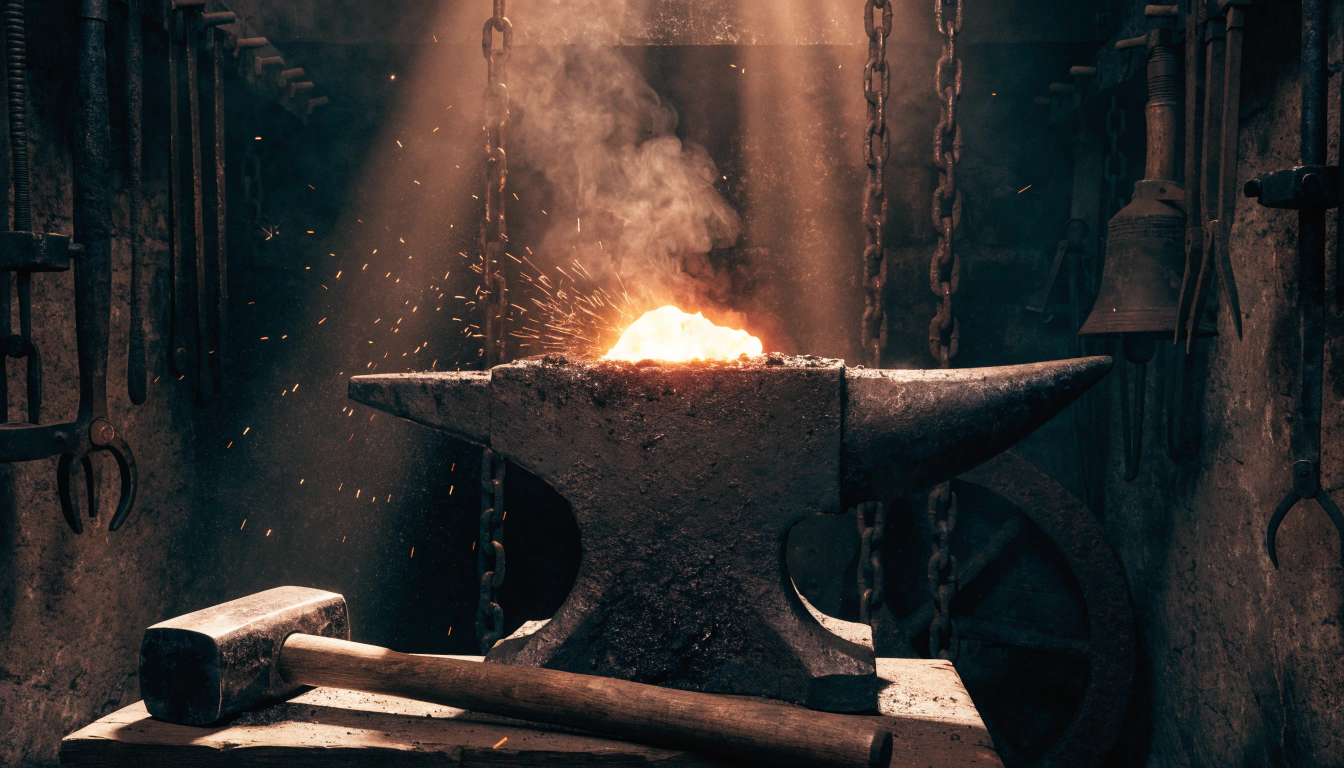
A different kind of
technology shop
No postal code. No location.
Yet every great idea has been here.
It's what Tesla called "the place where ideas come from." What every artist, builder, and creator has tapped into across time. A collective mind.
Sonnora built a workbench in that space.
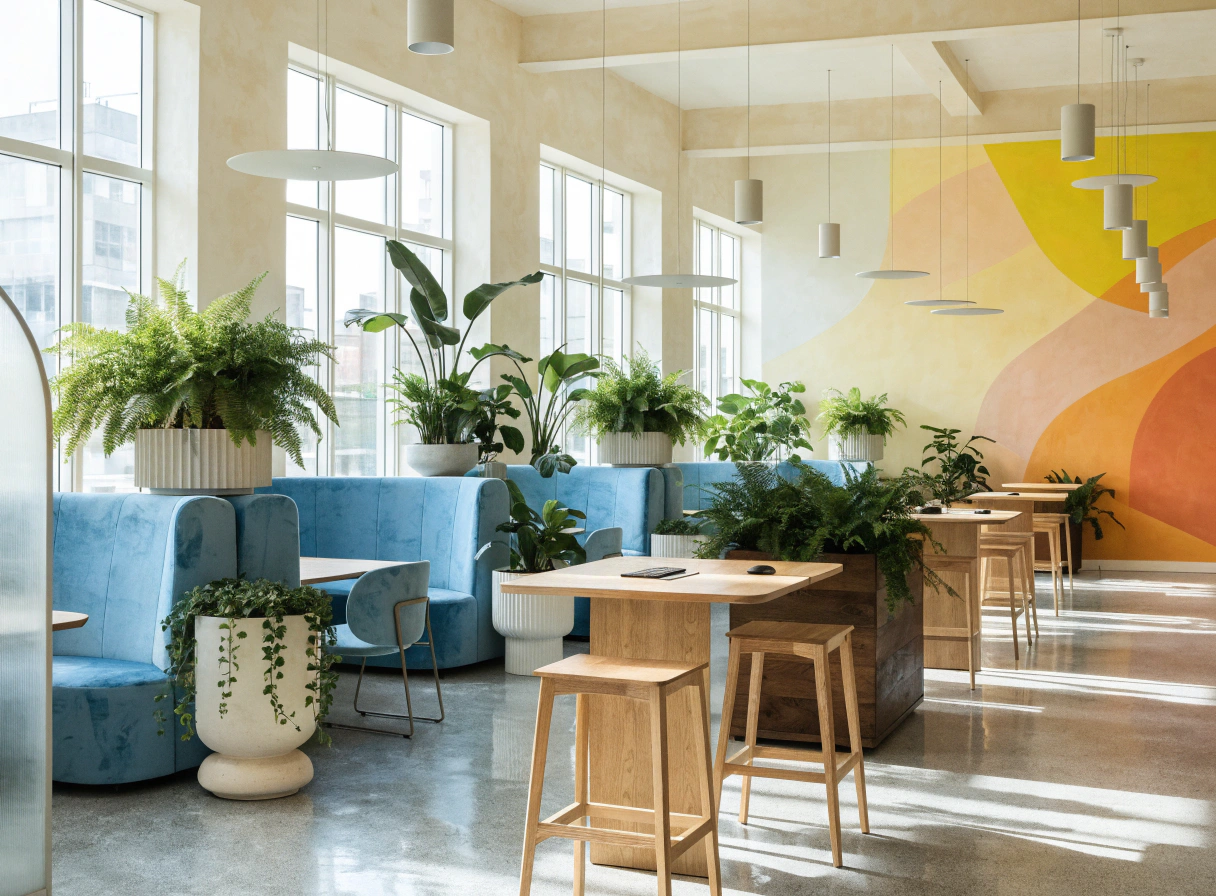
A desk. A machine. A lot of unfinished thoughts.
This is where it starts. Not in a conference room with a whiteboard, but in the silence between keystrokes. A terminal open. A notebook nearby. Ideas that haven't earned their shape yet.
The Forge is what happens when you stop asking for permission to build. It's not a department. It's not a project with a budget line. It's a habit — the discipline of making things because that's what you do.
We build here the same way a carpenter builds in the hours after a paying job: not because someone asked for it, but because the material is interesting. Because there's a gap nobody else noticed. Because the only way to know if an idea works is to build it and see.
Some of what comes out of here becomes a product. Some becomes infrastructure — tools that make everything else faster, better, less painful. And some amount — a healthy amount — fails. That's not a cost. That's the filter.
The Forge doesn't have a roadmap. It has a workbench.
Building things right means building them over.
No one sees the versions that didn't make it. The architectures that looked good on paper and collapsed under weight. The features that seemed essential until they weren't. That's not failure. That's the process.
What comes out of The Forge
Three products. Three different reasons to build. One workbench.
Tunes4R
Started as an audio experiment — just exploring what could happen when you combine Raspberry Pi hardware with streaming protocols. One late-night session turned into a prototype. The prototype turned into something people wanted to buy. Now it ships.
RoadViewer
Born from a simple frustration: mapping tools that don't show what you need. We wanted to see routes differently — granular, data-rich, designed for the people who actually plan and navigate roads, not the algorithms. What started as a side project became a tool that solved a real problem.
rScout
Built out of necessity. We needed better network diagnostics for our own infrastructure, so we built them. What started as internal tooling turned into something robust enough to stand on its own. Sometimes the best products are the ones you build for yourself.
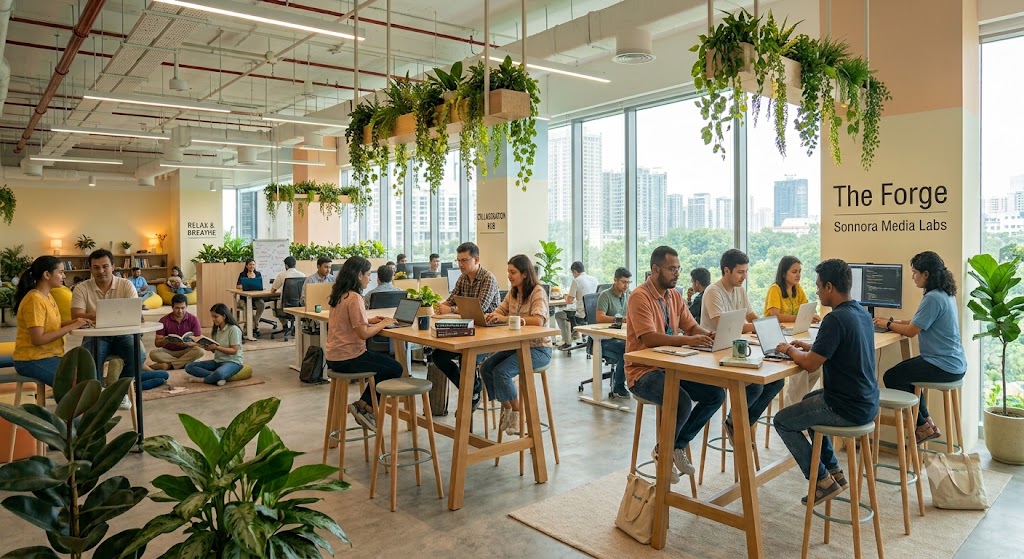
It doesn't look like much. That's the point.
No open floor plan. No ping-pong table. Just a room where the only thing that matters is whether the thing you're building works.
Raw. Lattice. Forged.
Everything we build moves through these three states. Not every idea survives all three.
Raw
The raw state is honest. It's the idea before you've talked yourself out of it. No validation, no business case, no proof that anyone will care. Just a feeling that there's something here worth exploring.
Lattice
The lattice is where the idea starts holding weight. Patterns emerge, structures form, the scaffold goes up. It's still fragile. You can see through it. But you can also see where it's headed. This is the hardest stage — most ideas die here.
Forged
The forged state is what survives. Heat, pressure, iteration, failure, revision — all of it compressed into something solid. It ships. It works. It lasts. Until it doesn't, and then you start over.
Ready to forge something together?
Every product starts as a raw idea. Let's turn yours into something forged.
Start the conversation